
In the world of heavy engineering and infrastructure, there is a painful reality many developers and business owners face: the “Hidden Tax” of inefficiency. The Solution EPCIC.
It starts small—a minor design error here, a delayed shipment of electrical panels there—but by the time the project is scheduled for completion, those small leaks have become a flood of wasted capital. Research shows that nearly 80% of construction projects fail to meet their initial budget or timeline.
But what if the problem isn’t the project itself, but the method used to build it?
The Anatomy of a Failing Project
Most construction failures in Nigeria stem from a fragmented approach. You hire one firm for design, another for sourcing materials, and a third for the actual building. This creates a “Communication Gap” where:
-
Planning is disconnected from reality: Designs look great on paper but are impossible to execute on-site.
-
Quality is sacrificed for cost: To save money upfront, “cheap” materials are procured, leading to massive repair costs just two years later.
-
Safety is an afterthought: Without unified oversight, safety protocols slip, leading to delays and legal liabilities.
The Solution: The EPCIC Framework
At Selex Engineering, we believe the antidote to this chaos is the EPCIC model. This is a comprehensive, end-to-end approach that integrates every phase of a project into one seamless workflow.
1. Engineering (E)
Success begins in the “E” phase. We don’t just create blueprints; we build digital solutions. By focusing on precision engineering first, we identify potential bottlenecks before a single brick is laid.
2. Procurement (P)
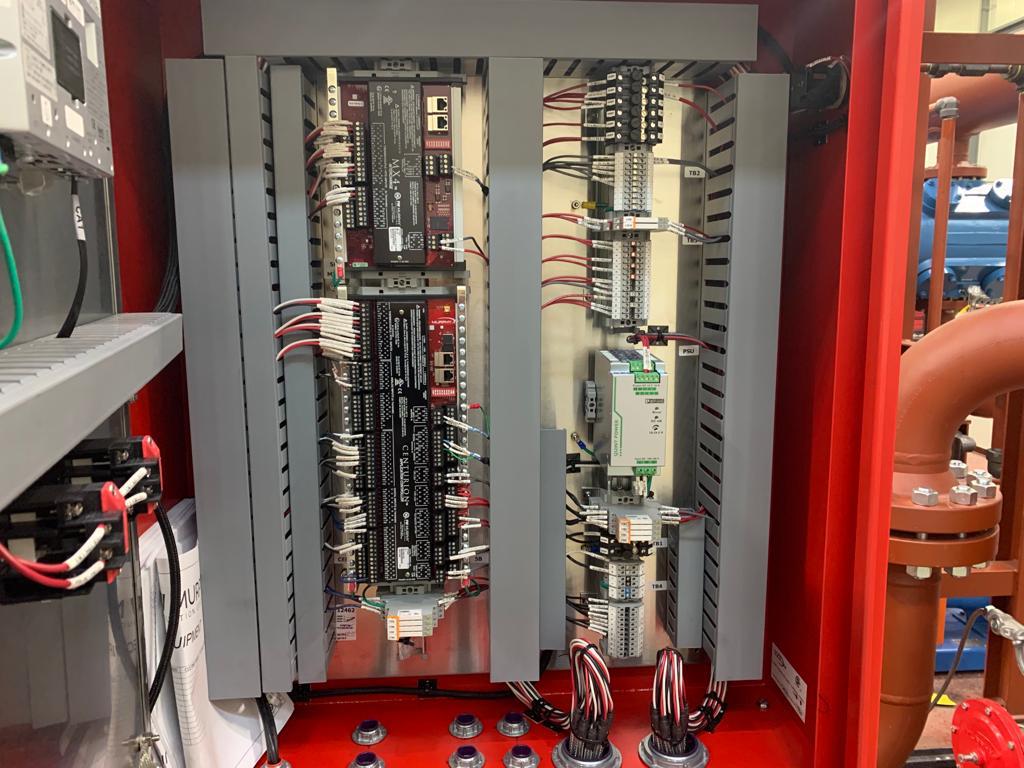
Sourcing the right materials in a volatile market is a science. We leverage our network to ensure that every component—from high-voltage wiring to delicate instrumentation—is of the highest quality and delivered on time to avoid “standing time” on-site.
3. Construction (C)
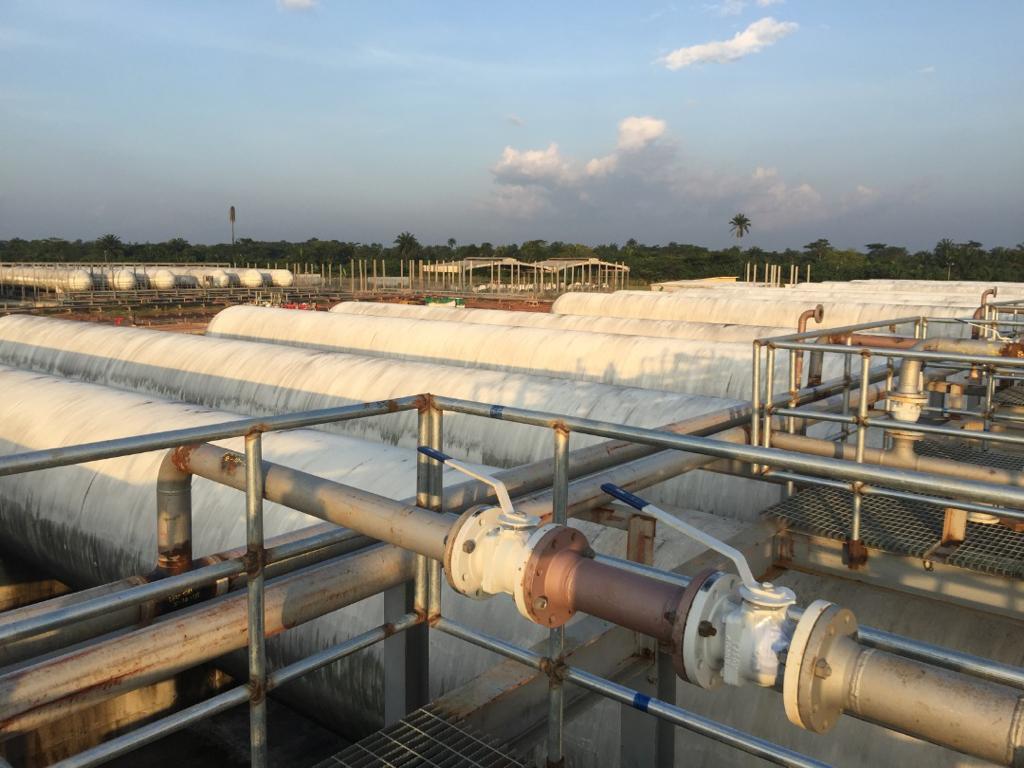
This is where the vision takes shape. Because our construction team works hand-in-hand with our engineers, there is zero guesswork. We build with structural integrity and strict adherence to global safety codes.
4. Installation & Commissioning (I&C)
A project isn’t finished just because the building is standing. The “I&C” phase is where we test every electrical system, every sensor, and every automated control to ensure the facility is 100% operational before handover.

 The Selex Advantage: Building Nigeria’s Future
Whether we are working on industrial automation or large-scale electrical infrastructure, our goal at Selex Engineering is to eliminate the “Invisible Waste.” By managing the entire EPCIC lifecycle, we provide our clients with a single point of accountability. You don’t have to manage five different contractors; you only have to manage one relationship.
The result? Projects that are built once, built right, and built for the future.
Are you planning a project and want to avoid the common pitfalls of construction failure?
Contact Selex Engineering today to learn how our integrated EPCIC approach can save you time, reduce your costs, and guarantee the quality of your infrastructure.